
"Dead on arrival."
That is how Mount Shasta City Manager Todd Juhasz described a proposed AI data center at the old Crystal Geyser bottling plant, once residents, a local tribe, and a flood of hostile emails made clear the city wanted no part of it. The project never got past an inquiry. No application was ever filed with Siskiyou County. And yet for three months this summer, one vacant industrial building outside town became the most closely watched piece of real estate in the county.
If you're comparing land near Mount Shasta right now, the Crystal Geyser story is worth more than the headlines suggest. It is a live demonstration of the one variable that never shows up on a listing sheet but that just decided the fate of 145,000 square feet of prime property: whether the parcel sits inside Mount Shasta's city limits or in unincorporated Siskiyou County next door.
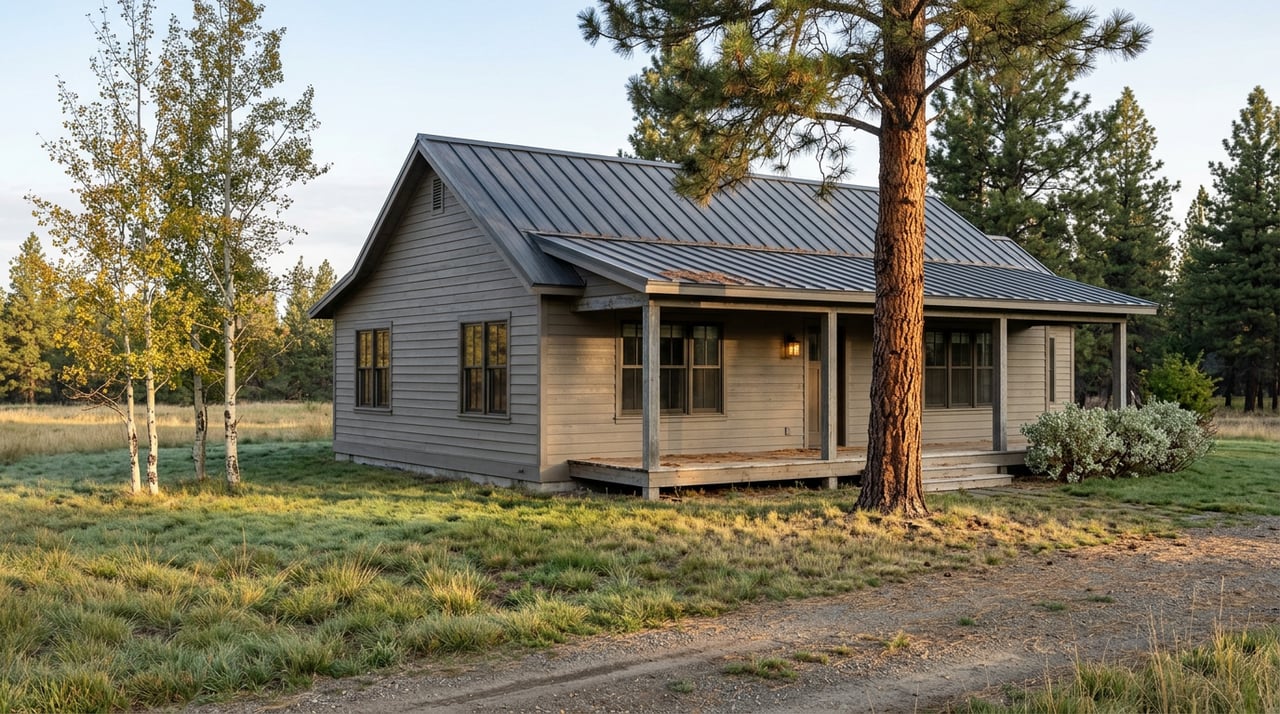
The former Crystal Geyser site sits near the intersection of North Mount Shasta Boulevard and Ski Village Drive, close to Spring Hill on the edge of town. It has a history: Crystal Geyser Water Company bought the building in 2013 hoping to bottle the region's spring water, spent years fighting the Winnemem Wintu Tribe and local environmental groups in court, and finally walked away in 2021. An investment group called One Shasta LLC bought the property in March 2022 for about $7.5 million, with a deed provision barring any future water bottling or distribution on the site.
That history is why, when a San Diego-based data center developer quietly inquired in June 2026 about using the site, Mount Shasta noticed immediately. Juhasz disclosed the inquiry at a City Council meeting, and the reason the developer wanted this particular building was not a mystery: the site includes a high-producing well tied to the volcanic aquifers that feed the city's water, the same glacial and lava-tube-filtered water that turns up at Headwater Springs downtown and eventually reaches the Sacramento River.
Within days, an online petition opposing the project had gathered more than 7,500 signatures. City Council Member Tessa Clure told constituents the property sits in the county, not the city, so "we don't have much control" unless Mount Shasta could annex the land. By July, residents were packing council meetings. One speaker, Glenn Kaufman, showed up with an eighteen-page plan called Mount Shasta Organics, proposing to convert the building into an aquaponics operation instead, projecting roughly 30 jobs and a 98 percent water recirculation rate using under 10,000 gallons a day. By mid-September, the inquiry was dead. No formal application had ever reached the county's desk.
Here is the mechanism that made this whole episode possible: Mount Shasta's city government has zoning and land-use authority only within its incorporated boundaries. The Crystal Geyser site sits just outside that line, in unincorporated Siskiyou County. That single fact meant the city could publicly oppose the project, write angry statements, and hold packed meetings, but it had no legal lever to stop anything on its own. Permitting authority belonged to the county, and county officials confirmed they had not even been contacted by the developer before the story became public.
That is the part of this story that applies to almost any parcel near a small California town, not just this one building. Two properties can sit a few hundred yards apart, look identical on a map, carry similar price tags, and still answer to two entirely different governments with different priorities, different zoning codes, and very different appetites for industrial reuse. A buyer comparing them by acreage or view is comparing the wrong things.
A quick way to see the difference:
| Inside Mount Shasta city limits | Unincorporated Siskiyou County | |
|---|---|---|
| Zoning authority | City Council and Planning Department | Siskiyou County Board of Supervisors |
| Development review | City-level public process | County-level discretionary review |
| Water/utility hookups | City water system | Well or county-served, case by case |
| Annexation status | Already settled | Can change with a council and supervisor vote |
That bottom row is the one worth sitting with. Annexation is not hypothetical here. City staff have reported that at least one county supervisor is open to supporting annexation of the Crystal Geyser site and an adjacent orchard specifically so Mount Shasta can gain permanent zoning and water control over the parcel. If that happens, the property's rules change without a single tree being cut or a single foundation being poured. The land stays the same. The government in charge of its future does not.
This is where the story stops being a data center controversy and starts being a lesson in how land value actually works. A parcel's price per acre tells you what someone paid. It does not tell you what a buyer can build, extract, or protect there, and that answer depends on which government holds the pen.
Right now, the Crystal Geyser building sits in a strange kind of limbo. The data center inquiry collapsed under public pressure before it ever became a formal proposal. The aquaponics plan Kaufman presented is a concept, not an approved project. The city's separate 120-acre master-planned initiative, known as The Landing, is running its own town-hall series a short distance away, adding another layer of uncertainty about what the broader area will look like in five years. One Shasta LLC still owns the building. Nothing has been decided.
That uncertainty is the point. If you asked ten people what that property is worth today, you would get ten different answers depending on whether they assumed annexation happens, whether they assumed an industrial reuse gets approved, or whether they assumed the site quietly reverts to agricultural or light commercial use. The acreage never changed. The answer to "what is this land allowed to become" did, three times, in three months.
None of this means land outside city limits is a bad investment. Plenty of well-priced acreage around Mount Shasta sits in the county and always will. It means the due diligence question worth asking is more specific than "how many acres" or "how far from town." Before you get attached to a parcel near the edge of Mount Shasta, it is worth finding out:
You can check jurisdiction and parcel records directly through the Siskiyou County Assessor-Recorder's office, which maintains the county's parcel and title records. It is a five-minute call or search that tells you which government you will actually be dealing with for the life of your ownership.
Does this mean buying land near Mount Shasta is risky? Not inherently. It means the jurisdiction question deserves the same attention buyers usually give to price and acreage. A parcel inside city limits and one just outside can have very different futures even at the same price point.
What happens to the Crystal Geyser site now? As of mid-September 2026, the site remains privately owned by One Shasta LLC. The data center inquiry never became a formal application, the aquaponics proposal is still just a proposal, and annexation talks are ongoing but unresolved. Anyone watching that property for investment purposes should expect more news, not less.
How do I find out if a specific parcel is in city limits or the county? Start with the Siskiyou County Assessor-Recorder's office for parcel and title records, or the Mount Shasta Planning Department if the property is near the city line. Both can tell you definitively which government has authority over the land.
Land near a small mountain town rewards buyers who ask better questions, not just louder ones. If you are weighing a parcel near Mount Shasta, McCloud, Yreka, or anywhere else in Siskiyou County and want someone who already knows which government you'll be calling, reach out to Sunshine Realty 530. We'll walk the jurisdiction, the water, and the paperwork with you before you fall in love with a view.
Stay up to date on the latest real estate trends.

Whether you're looking to buy, sell, or invest, We're ready to help you achieve your real estate goals with expertise, dedication, and care. Contact us and make your dreams a reality.
Lenita Ramos | CA DRE# 02133572