
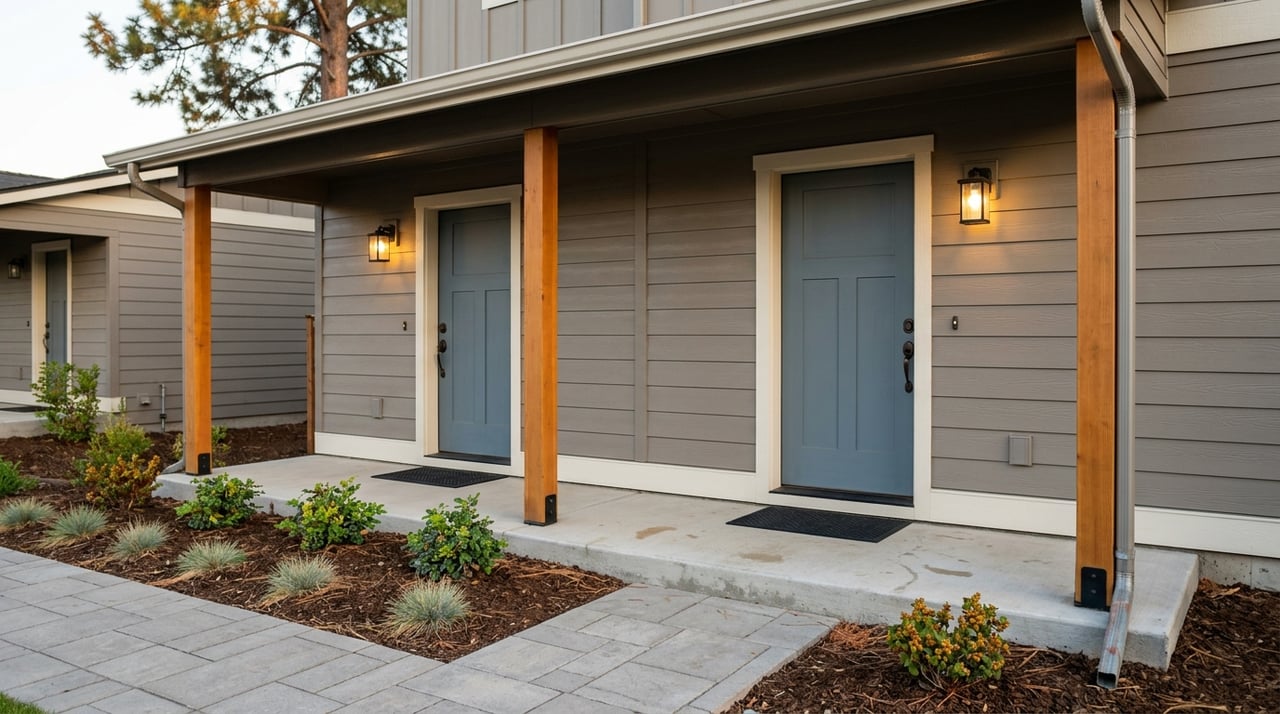
Thinking about buying in Mount Shasta, but not sure whether a condo or townhome is the right fit? In a mountain market like 96067, attached homes can offer a simpler lifestyle, a smaller footprint, and easier upkeep than a detached house. If you are comparing options, this guide will help you understand how condos and townhomes work locally, what to review with an HOA, and where buyers need to be extra careful before moving forward. Let’s dive in.
In Mount Shasta, condos and townhomes are not just a rare housing type with no local context. The city’s zoning framework specifically allows for condominium development, clustering, planned unit development, and common-area ownership structures. That matters because it shows attached housing is a recognized part of local land use planning, not an unusual exception.
The city’s Planned Development zone is especially relevant if you are looking at a newer or more complex attached-home project. It is used for developments that include individually owned parcels along with common areas, and city findings also require attention to local hazards such as flood, fire, and slope. In a mountain setting, those issues can affect both the property itself and the long-term cost of ownership.
Recent planning activity also shows that attached housing is part of the local pipeline. One current example is the Mountain Townhomes Project on Chestnut Street, which is planned as a 24-unit development with shared amenities like parking, walkways, seating areas, and a community building. Another city report describes attached townhomes on Carmen Drive being subdivided into condominium units with the rest of the parcel owned in common by the HOA.
For many buyers, the main appeal is lower day-to-day exterior maintenance. Local attached-home listings often highlight features like patios, attached garages, compact lots, and shared walls instead of large private yards. If you want a home base in Mount Shasta without taking on as much outdoor work, that can be a strong advantage.
This setup can also fit buyers who are downsizing or looking for a second home. A condo or townhome may give you a more lock-and-leave lifestyle, which is helpful if you travel often or simply want less property to manage. In the right community, that can make ownership feel more flexible and less demanding.
At the same time, the tradeoff is real. You are gaining shared upkeep, but you are also giving up some control over how certain parts of the property are maintained and used. That is why attached-home buying is not just about the unit itself. It is also about the project, the rules, and the financial health of the HOA.
One of the biggest differences between a detached home and a condo or townhome is maintenance responsibility. In California, unless the governing documents say otherwise, the HOA is generally responsible for common-area repairs and maintenance. The owner is generally responsible for the separate interest, and for exclusive-use common areas, the owner typically maintains them while the HOA handles repair and replacement.
That means you need to know exactly what counts as your responsibility and what belongs to the association. A patio, balcony, driveway area, roofline, siding, or shared utility component may not be handled the way you assume. Two communities can look similar on the outside but have very different maintenance obligations in their documents.
This is one reason buyers should avoid judging value by monthly dues alone. A lower HOA fee may sound attractive, but it does not automatically mean better value. If the association is underfunded or delaying major repairs, low dues today can become higher costs later.
In California, HOAs make and enforce the rules for condominium buildings and planned communities. Buyers should expect those rules to vary from one community to another. Parking, pets, exterior changes, guest use, and common-area access can all be handled differently depending on the project.
If a feature matters to your lifestyle, verify it in writing before removing contingencies. For example, if you need predictable parking, plan to have guests often, or want the option to make exterior improvements, those details should be reviewed early. A good fit is not just about square footage or price. It is also about whether the community rules match how you plan to live.
Rental rules deserve extra attention as well. California limits some HOA rental bans, but leasing rules still vary by community and can depend on when the owner bought. If you may want rental flexibility in the future, that is something to confirm before closing, not after.
For a Mount Shasta condo or townhome resale, the HOA disclosure package is a key part of your due diligence. In California, the seller must provide important association documents before closing. This is not an optional review item. It is a central part of understanding what you are buying.
You should expect to receive items such as:
These documents help you move past the surface-level appeal of a property. A clean kitchen and nice view are great, but they do not tell you whether the HOA is well run, financially prepared, or facing unresolved issues.
The annual budget report is one of the most important documents in the package. Under California law, it includes a pro forma operating budget, reserve summary, reserve funding plan, expected special assessments, outstanding loans, and an insurance summary with deductible amounts. For condominium projects, it also states FHA and VA approval status.
This report can tell you a lot about the community’s financial condition. If reserves are strong, the HOA may be better prepared for major shared repairs. If reserves are thin, deferred work is piling up, or special assessments are expected, your total cost of ownership may look very different than the listing price suggests.
Reserve planning matters because shared repairs usually become shared costs. California requires a reasonably competent visual inspection of accessible major components at least once every three years as part of the reserve study process. That study identifies major components, useful life, repair costs, and the funding plan.
When you review a project, pay close attention to questions like these:
Many buyers assume the HOA’s master insurance policy covers everything that matters. In reality, the annual budget disclosure specifically warns that the master policy may not cover your personal property or improvements around the dwelling. Deductibles may also apply in ways that affect owners directly.
That is why it is smart to look closely at the insurance summary in the HOA documents. You want to understand what the association insures, what you may need to insure personally, and how large deductibles could affect you after a claim. In a mountain market, that clarity matters even more.
With condos, your loan approval may depend on more than your income, credit, and down payment. Project eligibility can also affect financing. Fannie Mae notes that condo projects have added requirements because shared ownership means the condition of the project affects all owners.
That is why it helps to work with a lender who is familiar with attached housing early in the process. A condo-savvy lender can often identify whether a project is likely to meet loan guidelines before you spend too much time pursuing the wrong property or loan type. If a project does not meet applicable standards, some financing options may not be available until issues are resolved.
This point is especially important if you are comparing multiple properties and trying to move fast. The right lender can help you understand whether the challenge is the unit, the project, or the loan program itself. That can save time, stress, and unexpected changes later in escrow.
In Mount Shasta, attached homes often appeal to buyers who want a manageable property with mountain-town access and less exterior work. Public listings in the area show a relatively small attached inventory, with examples that emphasize patios, garages, views, and landscaped settings rather than large lots. That smaller inventory means buyers may need to stay flexible and act decisively when a well-matched option appears.
It also means every project deserves close review on its own terms. Because the local attached-home market is not especially large, differences from one HOA to the next can have an outsized impact on value and usability. Two properties at similar price points may offer very different experiences once you factor in rules, reserves, maintenance responsibilities, and financing options.
If you are serious about buying a Mount Shasta condo or townhome, a little preparation can go a long way. Try to move through the process in a clear order so you can compare homes with confidence.
Start with this checklist:
A condo or townhome in Mount Shasta can be a smart choice if you want simpler upkeep, shared amenities, and a smaller-footprint property in a mountain setting. But the best purchase is not just about finding an attractive unit. It is about understanding the HOA, the documents, the financial picture, and the project’s fit for your goals.
When you take the time to review those details carefully, you put yourself in a much stronger position to buy with confidence. If you want local guidance as you compare condos, townhomes, or other homes in Siskiyou County, Lenita Ramos is here to help you sort through the details and find the right fit.
Stay up to date on the latest real estate trends.

Whether you're looking to buy, sell, or invest, We're ready to help you achieve your real estate goals with expertise, dedication, and care. Contact us and make your dreams a reality.
Lenita Ramos | CA DRE# 02133572