
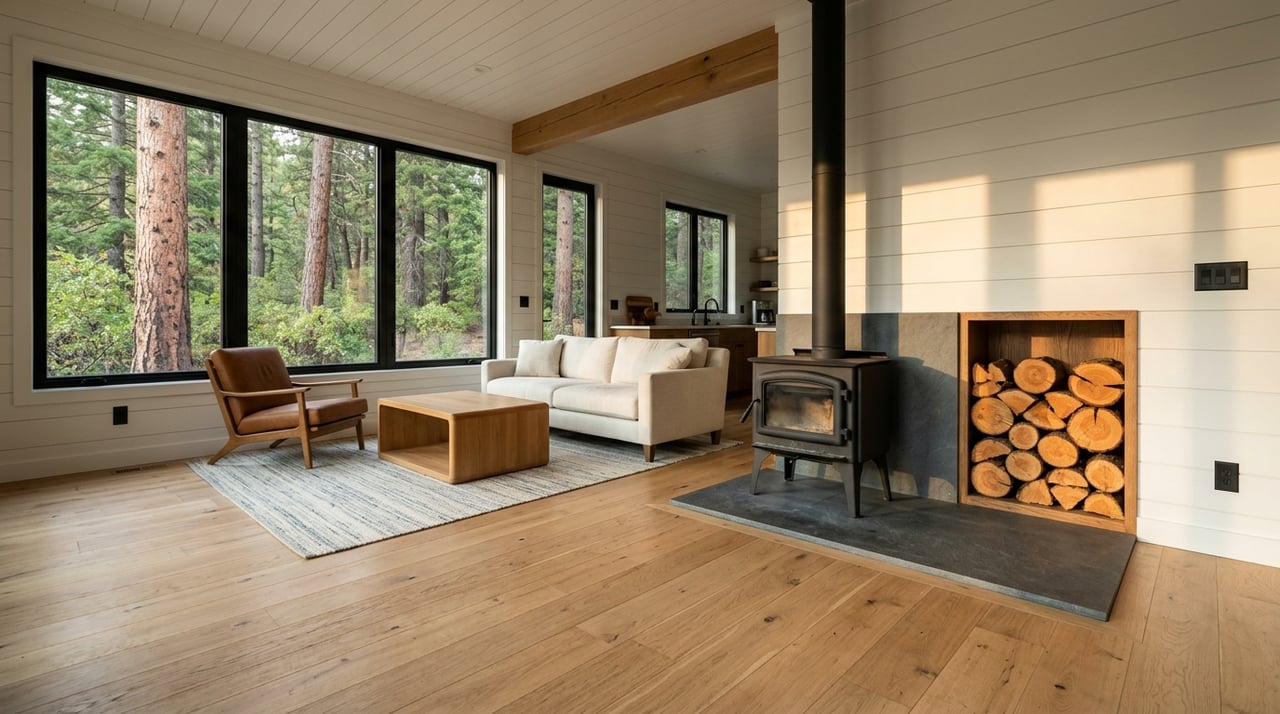
Dreaming about a second home in Mount Shasta? You are not alone, but buying here comes with a few mountain-market realities that can surprise even experienced buyers. If you want a cabin, retreat, or part-time home that fits your goals, it helps to understand local weather, zoning, utilities, wildfire readiness, and remote-closing logistics before you make an offer. Let’s dive in.
A second home in Mount Shasta can offer the mountain setting and flexibility many buyers want, but ownership here is shaped by climate and local rules. This is not a market where you only look at the view, square footage, and finishes.
The NOAA Mount Shasta station at 3,613 feet reports an average of 89.3 inches of snowfall each year. That means winter access, roof load, frozen pipes, and snow removal are part of the buying decision from day one.
Inside city limits, Mt. Shasta building criteria list a 12-inch frost depth and an 86 psf ground snow load. The city also notes a 60 psf residential roof live load, which makes roof condition, drainage, gutters, decks, and exposed plumbing especially important in inspections.
Before you tour homes, get clear on how you plan to use the property. Your intended use can affect which homes make sense and whether a property is even eligible for the type of ownership plan you have in mind.
You may be buying for:
That decision matters because short-term rental rules change depending on whether the property is in the City of Mt. Shasta or in unincorporated Siskiyou County. A home that works well as a private retreat may not work as a vacation rental.
In the City of Mt. Shasta, short-term rental permits are currently limited to C-1 and C-2 zoning. Parcels in R-1, R-2, and R-3 are not eligible for short-term rental permits.
The city also requires operators to self-certify fire-safety compliance with short-term rental registration. Illegal short-term rentals can lead to a $500 daily fine, and the city transient occupancy tax rate is 12%.
Mt. Shasta also states that Airbnb is not authorized to collect and remit city taxes for owners. Siskiyou County’s tourism improvement district adds a 2% lodging assessment, so tax and compliance planning should happen early.
If the property is outside city limits in unincorporated Siskiyou County, vacation rentals are allowed only in certain zoning districts. In the Dunsmuir and Mount Shasta vacation-rental area, the parcel must be at least 2.5 acres.
County rules also add practical requirements that can change whether a property pencils out. Maximum occupancy is two guests per bedroom plus two additional guests, capped at 10 people and limited by septic capacity.
Off-street parking is required, and the Building Division and Environmental Health Division must inspect the property before a permit is issued. The county also requires a professional property management firm located in Siskiyou County and available 24/7, plus a business license and transient occupancy tax certificate before issuance.
One more detail matters to buyers. In Siskiyou County, the permit is tied to the owner and can end when ownership transfers if the permittee is no longer on title.
This is one of the most important early checks you can make. The line between the City of Mt. Shasta and unincorporated Siskiyou County can materially change rental rules, permit paths, taxes, and utility expectations.
If you are comparing several homes, ask for written confirmation of the property’s jurisdiction and zoning before you move too far forward. That one step can save you from chasing a property that does not fit your intended use.
In Mount Shasta, snow is not just a seasonal inconvenience. It affects your day-to-day experience as an owner, especially if you are not living in the home full time.
Ask specific questions about driveway pitch, snow plowing, parking, and where snow equipment can be stored. If a driveway is steep or difficult to clear, a home that looks perfect in summer may feel very different in winter.
The city notes that plowing begins when snow reaches about 4 to 6 inches. It also reports that a 12-inch snowfall can take roughly 8 to 12 hours to clear city streets, which gives you a better sense of what winter access can look like during active weather.
When you buy a second home here, pay close attention to the parts of the home that deal with snow and freezing temperatures. A careful inspection should go beyond normal cosmetic concerns.
Focus on items such as:
Mount Shasta buyers should treat wildfire and smoke-season planning as part of normal ownership costs. City code says the major portion of the city is in a very high fire hazard severity zone, and local fire rules require burn permits for dooryard burning while prohibiting household trash burning and burn barrels.
Before removing contingencies, ask for the address’s fire hazard zone, defensible-space status, and an insurance quote. This is a practical risk and cost question, not something to review later.
The California Department of Insurance says CAL FIRE hazard maps do not affect insurance rates or availability. The department’s wildfire-hardening guidance does highlight features that can help with insurance discounts, including a Class A roof, a 5-foot ember-resistant zone, ember-resistant vents, enclosed eaves, upgraded windows, cleared vegetation under decks, and defensible-space compliance.
A second home needs a simple, dependable management plan when you are away. That starts with understanding whether the home is on city utilities or relies on private systems.
If the property is rural or outside city services, Siskiyou County Land Use review becomes very important. The county reviews and permits individual sewage disposal systems, water wells, and water systems, and it evaluates land development for density, on-site sewage capability, and water availability.
The county’s review sequence can include floodplain review, sewage review, well permitting, well installation, and proof of adequate water quantity and quality. For a second-home buyer, that means water and septic are not boxes to check quickly. They are central to usability and long-term costs.
If the home is in Mt. Shasta city limits, utility management still deserves attention. The city bills utility accounts with a due date on the 20th of the month, supports online and auto-pay setup, and can disconnect service if an account stays delinquent.
Utility sign-up requires the exact service address and billing information. If you will be a remote owner, it is smart to plan for autopay and a reliable local workflow for mail, email, and maintenance follow-up.
Many second-home buyers shop from out of town, and Mount Shasta can be a good fit for that process if you stay organized. The key is building a closing plan around California’s current signing rules and strong property due diligence.
California requires the signer to personally appear before a notary for acknowledgments and jurats. A video appearance is not enough, and the state’s remote online notarization framework does not take effect until the Secretary of State certifies the technology project or January 1, 2030, whichever comes first.
That means you should not assume a fully virtual closing. Instead, plan ahead with escrow, your lender, and notary coordination so timing stays on track.
If you are buying from outside the area, a practical file should include more than listing photos. You want enough detail to make a confident decision.
Try to confirm:
A second home can be a great fit here, but the strongest buyers go into the process with clear priorities and local facts. In a mountain market, the best purchase is often the one that matches your use plan and your maintenance tolerance, not just your wish list.
Before you write an offer, make sure you can answer these questions:
When you answer those questions early, you can narrow your search faster and avoid expensive surprises after closing.
If you are thinking about buying a second home in Mount Shasta, local guidance can make the process much smoother. Lenita Ramos can help you compare properties, understand county-versus-city differences, and evaluate what fits your goals in Siskiyou County.
Stay up to date on the latest real estate trends.
Whether you're looking to buy, sell, or invest, We're ready to help you achieve your real estate goals with expertise, dedication, and care. Contact us and make your dreams a reality.
Lenita Ramos | CA DRE# 02133572