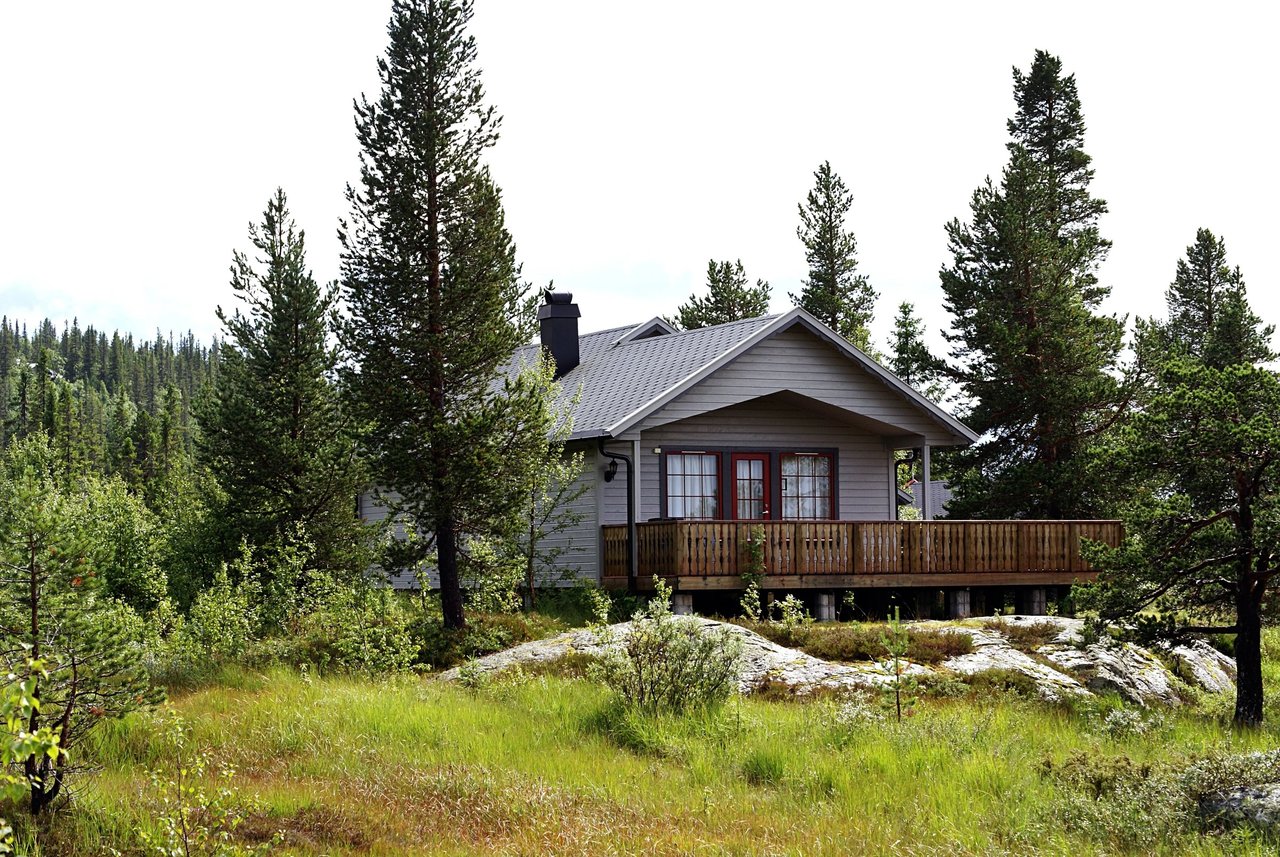
Dreaming of space, views, and fresh air near Montague? Rural property around ZIP 96064 can deliver all that, but it does not work like a city lot. Roads, wells, septic, internet, and wildfire rules all play a role in what you can buy and how you can live there.
In this guide, you will learn the key checks that protect you as a buyer, how utilities and access work outside town, what to expect with permits and insurance, and which loans fit rural homes and acreage. You will also get a ready-to-use due diligence checklist and local contacts to call. Let’s dive in.
96064 snapshot: what to expect
- Private utilities are common. Many parcels outside Montague rely on private wells and septic systems. In town, some lots connect to the city water system listed in the state’s database. Verify the service for each parcel rather than assuming it is connected to city lines. You can confirm city water status through the state’s listing for the City of Montague water system.
- Road status matters. Siskiyou County maintains many miles of roadway, but numerous subdivision and ranch roads remain private. Owners on private roads usually share in grading and snow removal. Check who pays before you buy. Start with Siskiyou County Public Works for maintenance and permits.
- Power and fuel vary. Pacific Power serves the broader area, but some remote parcels need line extensions. Propane and wood heat are common where natural gas is not available.
- Internet is limited. Wireline broadband usage in 96064 is low, so satellite, fixed wireless, or cellular hotspots may be more realistic. See this broadband usage analysis for 96064.
- Wildfire rules apply. Check state and county Fire Hazard Severity Zone maps for each address. Hazard ratings can influence defensible space, materials, and insurance. The county posts map info and updates on its FHSZ mapping page.
Access and roads
On acreage, access is about legality, safety, and maintenance. Some driveways meet county roads. Others cross private roads with recorded easements. The county accepts roads into its maintained system only when certain conditions are met, so many rural routes stay private. That is why buyers often inherit road maintenance costs.
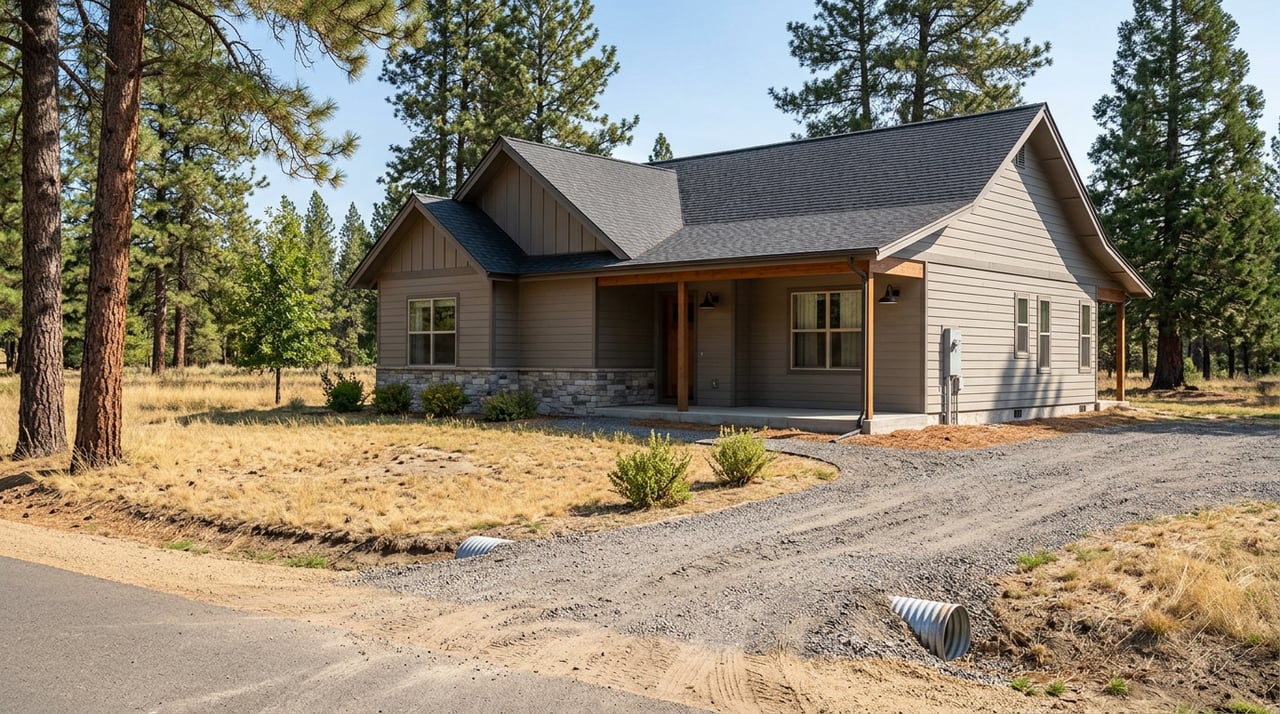
If you plan any driveway tie-in or culvert work, you will likely need an encroachment or approach permit through Siskiyou County Public Works. Factor permit fees and timing into your schedule. Also ask about seasonal access. Snow, ice, or wet-weather ruts can change drive times and heavy-equipment access.
Road-status checklist
- Confirm whether the road is county maintained or private. Ask Public Works and review maps.
- If private, request recorded easements and any road association or maintenance agreement.
- Ask when the road was last graded and who pays for upkeep and winter plowing.
- Verify if the route is passable for delivery and emergency vehicles.
- If adding or improving a driveway, plan for an encroachment permit and any culvert work.
Water, wells, and septic
In Montague proper, some parcels are served by a city water system documented in the state database for the City of Montague. Outside town, most properties depend on private wells and individual on-site wastewater treatment systems.
Siskiyou County Environmental Health permits and inspects septic systems. Wet-weather percolation testing is a seasonal process that typically runs January 1 to April 30, based on rainfall thresholds for the year. If the property does not have a permitted system, plan for time and cost to secure design approval. See the county’s guidance on individual sewage disposal for processes, forms, and contractor lists.
For wells, the county keeps well permit records and completion reports, and older records may be held by the state. If a well is older or low-yield, build in time for flow and pump testing. Start with the county’s page on water wells and records.
What to request in escrow
- Well completion report, pump size, static water level, and a recent flow or pump test.
- Recent water-quality lab results, including nitrates and other local concerns.
- Septic permit and as-built showing tank and leach field location.
- Septic inspection and maintenance records.
- Any prior perc or wet-weather test results and OWTS technical memos.
Power, heat, and bulk fuels
Pacific Power operates across many Siskiyou communities, including the Montague and Yreka area. For remote sites, verify how close the nearest pole is and whether a line extension is needed. Line extensions can add cost and time, so get a utility estimate early.
Natural gas pipelines are limited in rural Siskiyou County. Many owners heat with propane and wood. Ask about tank ownership and local delivery schedules. Consider backup power for winter storms. A portable or standby generator, safe fuel storage, and a simple load-management plan can keep essentials running during outages.
Internet and cell reality
Do not assume wired high-speed internet at every address. An analysis of wireline adoption shows very low usage in 96064, which points to patchy availability and take-up. Review mapping tools from carriers or agencies and explore backups like satellite, fixed wireless, or a cellular hotspot. If you work from home, test speeds at the address and ask nearby owners about their actual experience. See this Montague broadband usage analysis for context.
Wildfire risk and insurance
Rural Siskiyou parcels can fall within Moderate, High, or Very High Fire Hazard Severity Zones. Check a property’s designation using the county’s FHSZ mapping page. If a home is in a Very High zone, expect to follow defensible-space rules, consider home-hardening materials, and plan for brush management. These conditions can also influence insurance availability and pricing. Price out vegetation work and talk with insurers early in your process.
Permits and building
Building permits in unincorporated Siskiyou County run through Community Development and are routed to agencies like CAL FIRE, Environmental Health, and Public Works. Plan reviews can take weeks based on staffing and complexity. If you are planning a new build, addition, or ADU, check setbacks, fire-related requirements, and access early. Start on the county’s Building Division page for current processes and contacts.
Financing rural property
USDA Rural Development offers Single-Family Housing programs that can help eligible buyers finance rural homes, including 100 percent financing under the Guaranteed Loan Program for qualified borrowers and properties. The property must be safe and sanitary with reasonable permanent access and functioning water and sewage systems. Always check property and borrower eligibility before assuming USDA financing. Learn more on the USDA Guaranteed Loan Program page.
Raw land and unimproved acreage use different loan products than a typical home in town. Lot or construction loans often require larger down payments and shorter terms. VA and FHA may be options for qualified buyers, but each has property-condition and occupancy rules, and lenders will review access and utility status closely.
Lender expectations checklist
- Legal, practical year-round access that meets safety and emergency standards.
- A permitted septic or an approved design path with seasonal testing if required.
- A functioning well with adequate flow and recent quality tests.
- Insurability, including wildfire considerations, confirmed by an insurer.
- For land or build plans, a clear path to permits and utilities.
Before you make an offer: your due diligence
Use this checklist to shape your contingencies and timeline for a rural property near Montague.
- Confirm legal access
- Identify if access runs over a county road, state highway, USFS route, or private road. Ask Siskiyou County Public Works whether the road is county maintained. Request recorded easements and any road association agreement.
- Confirm utilities and water/sewer status
- Ask the seller for the well completion report and recent lab results. Request the septic permit, as-built, and the last maintenance or inspection records. If the parcel is not on a permitted septic, include a contingency for an approved OWTS design and any needed wet-weather perc during the county’s seasonal window. See Environmental Health’s septic guidance and well records page.
- Verify fire zone and insurance feasibility
- Look up the parcel’s FHSZ rating on the county’s FHSZ mapping page. Ask insurers about coverage and any brush-management requirements.
- Title and easements
- Order a preliminary title report. Verify recorded road, utility, or irrigation easements and any rights of way. For larger acreage, consider a boundary or ALTA survey.
- Perc and wet-weather testing
- Well testing and yield
- Review well records, pump size, static water level, and service history. Require a flow or pump test if data is old or the well is low-yield, using the county’s well records guidance.
- Permits and building feasibility
- Confirm zoning, setbacks, and fire-related requirements. Ask about routing to agencies and estimated review timelines. Start with the county Building Division.
- Insurance and loan pre-approval
- Work with lenders who know rural Siskiyou. Pre-approve for the product that fits the property type. Ask insurers for quotes early, especially in higher fire zones.
- Internet and phone expectations
- Confirm wired availability with providers and test cellular reception at the address. If needed, line up satellite, fixed wireless, or hotspot options.
- Timing your tests
- If your septic approval needs wet-weather testing, align contingencies with the county’s winter test window and rainfall thresholds.
Who to call locally
Sample offer contingencies
- Access: Buyer’s approval of recorded legal access and, if private, a satisfactory road maintenance agreement.
- Septic: Buyer’s approval of county-permitted septic system or an approved OWTS design, including any required wet-weather perc.
- Well: Minimum well production of [buyer-specified] gallons per minute and satisfactory water-quality lab results.
- Permits: Buyer’s approval of permit feasibility with Siskiyou County, including fire and access conditions.
- Insurance and loan: Buyer’s ability to secure hazard insurance and final loan approval on terms acceptable to buyer.
Buying rural in 96064 is about clarity and timing. When you verify access, utilities, permits, internet options, and fire factors up front, you protect your budget and your timeline. If you want a local partner who can help you build the right offer and coordinate the county steps, reach out to Lenita Ramos for hands-on guidance.
FAQs
What should I check about road access for rural Montague property?
- Confirm if the road is county maintained or private, verify recorded easements, and ask Siskiyou County Public Works about maintenance status and any needed encroachment permits.
How do I verify a well and septic system in Siskiyou County?
Does ZIP 96064 have reliable high-speed internet?
- Wireline adoption is low in 96064, so confirm address-level options and consider backups like satellite, fixed wireless, or cellular hotspots per this broadband usage analysis.
What does a Very High Fire Hazard Severity Zone mean for buyers?
- Expect stricter defensible-space rules, potential home-hardening measures, and insurance checks; verify a parcel’s rating using the county’s FHSZ mapping page.
Can I use USDA financing to buy a home near Montague?
- Often yes if you and the property meet program standards for access, safety, and utilities, but confirm address and borrower eligibility on the USDA program page.