
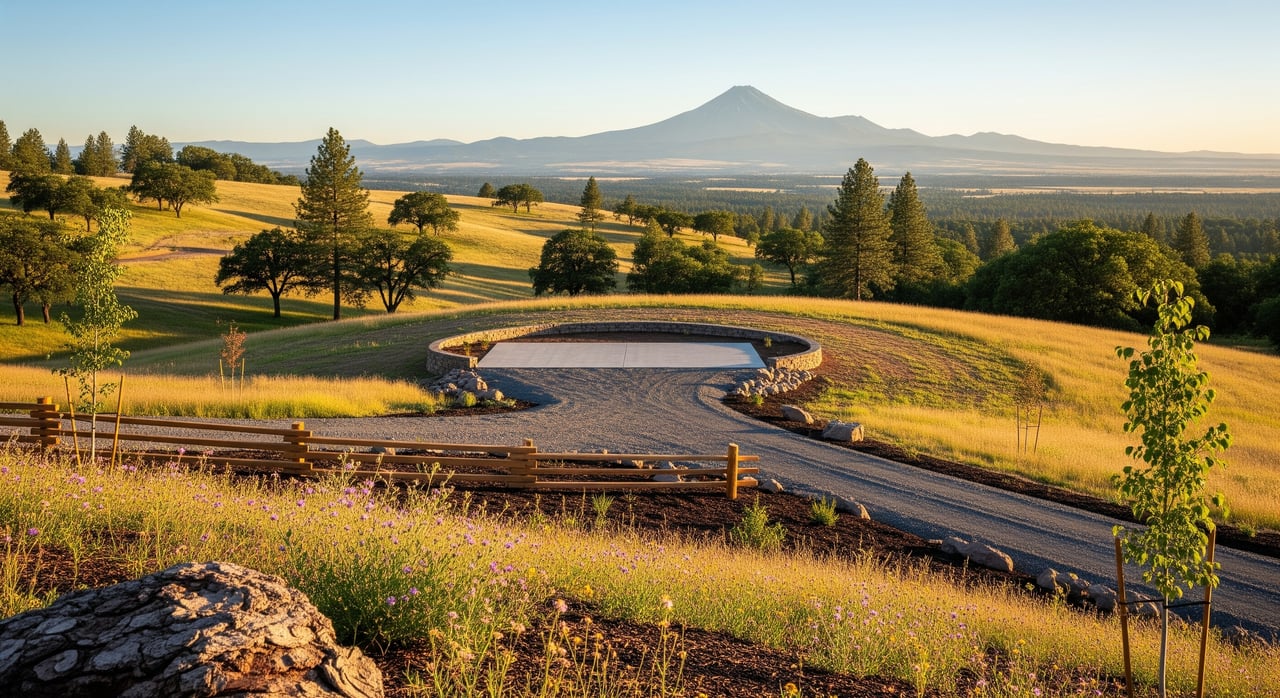
Looking at acreage around Montague and wondering how to finance it? You are not alone. Land loans work differently than home mortgages, and the details can surprise first-time land buyers. In this guide, you will learn what loan types are available near 96064, what lenders expect for down payments and documentation, how land appraisals work, and how financing shapes a smart offer. Let’s dive in.
Local community banks and credit unions that serve Siskiyou County are often the most flexible for smaller rural parcels. They understand the terrain, access, and utility challenges common around Montague. Many offer “lot loans” or “vacant land loans” with underwriting tuned to local parcels.
Regional banks and mortgage brokers may also provide lot loans or vacant land loans. Terms vary, but these lenders usually want clear access, defined zoning, and basic utility details. If you plan to build within a reasonable timeframe, you may find more favorable options than if you are buying purely to hold.
If you plan to place a primary residence on rural land and meet program rules, USDA Rural Development can be relevant. For farmers or buyers planning agricultural use, USDA Farm Service Agency programs may help, depending on eligibility. These programs have specific income, use, and location requirements, so early conversations with local USDA offices are helpful.
In rural markets, seller carryback financing is common when conventional lending is challenging. Private or hard-money lenders can fund faster with flexible underwriting, but rates and fees are typically higher. Always involve title and legal counsel to structure and protect both sides in a seller-financed deal.
If your plan is to build, some lenders offer loans that start as a lot loan and transition into construction financing. Showing a clear build plan and budget can improve your options and timeline.
Interest rates for land loans are usually higher than conventional home mortgages, often 1 to 4 percentage points above prevailing home loan rates. Private or hard-money options can be higher still. Plan for standard closing costs plus possible survey, appraisal, title insurance, and risk-based lender fees.
Vacant land loans often run 5 to 20 years. Many use shorter amortizations or a balloon payment unless you transition into construction or a permanent mortgage. If you intend to build, discuss timing and conversion paths with your lender at the start.
Vacant land has fewer recent comparable sales than homes, so appraisers rely on local lot and acreage sales and then adjust for size, access, utilities, and topography. They also evaluate highest and best use, which looks at what is legally allowed, physically possible, and economically reasonable. For certain properties like farms or timber parcels, appraisers may consider income or cost approaches in addition to comparable sales.
Underwriting for land places more weight on parcel details. You may be asked for:
Appraisals on rural land can take longer because suitable comps are limited and the site review is more involved. Lender approval also takes longer when septic, well, or access documentation is still pending. Build a longer timeline into your purchase plan.
Siskiyou County zoning sets allowable uses and minimum parcel sizes. Your intended use must align with local rules, which also inform an appraiser’s highest and best use conclusion and a lender’s risk view. Verify zoning early to prevent surprises.
Many Montague-area parcels rely on private wells and on-site septic. Lenders and appraisers often want a successful perc test and well capacity documentation where applicable. Water rights or source reliability can materially affect value and financeability.
Legal access is essential. Confirm whether access is via a public road or a deeded easement. Road maintenance and seasonal access matter in rural Siskiyou, and both can influence value, insurability, and loan terms.
Siskiyou County is wildfire prone. Some parcels also intersect floodplain or contain wetlands. These conditions can affect insurance availability, development costs, and underwriting. Understanding defensible space requirements and FEMA flood considerations early helps shape your budget and timeline.
Electric extension costs, lack of municipal water or sewer, and steep slopes can add to build costs. Lenders factor these realities into risk and loan structure. If you plan to build soon, obtain utility extension estimates and a soils or septic feasibility review as part of your diligence.
Land loans and appraisals often run longer than home purchases. Plan for 30 to 60 days for due diligence and financing contingencies, depending on your lender and needed tests. Allow time for perc, well, survey, and access confirmation.
Include contingencies that match land realities:
Sellers may expect stronger earnest money to show commitment. Keep your deposit reasonable until critical tests clear. A phased deposit tied to passing milestones can balance risk on both sides.
Because land loans come with lower loan-to-value limits, a larger down payment can both secure better terms and make your offer more attractive. If financing is tight, discuss whether seller carryback or a short-term private loan can bridge the gap while you complete plans.
Buying land in the Montague area can be very achievable with the right preparation. When you know your loan options, set realistic timelines, and align your contingencies with local conditions, you put yourself in a strong position to close smoothly and with confidence. If you would like help matching parcels to lender expectations or crafting a competitive land offer in Siskiyou County, reach out to Lenita Ramos for local guidance and buyer representation.
Stay up to date on the latest real estate trends.

Whether you're looking to buy, sell, or invest, We're ready to help you achieve your real estate goals with expertise, dedication, and care. Contact us and make your dreams a reality.
Lenita Ramos | CA DRE# 02133572