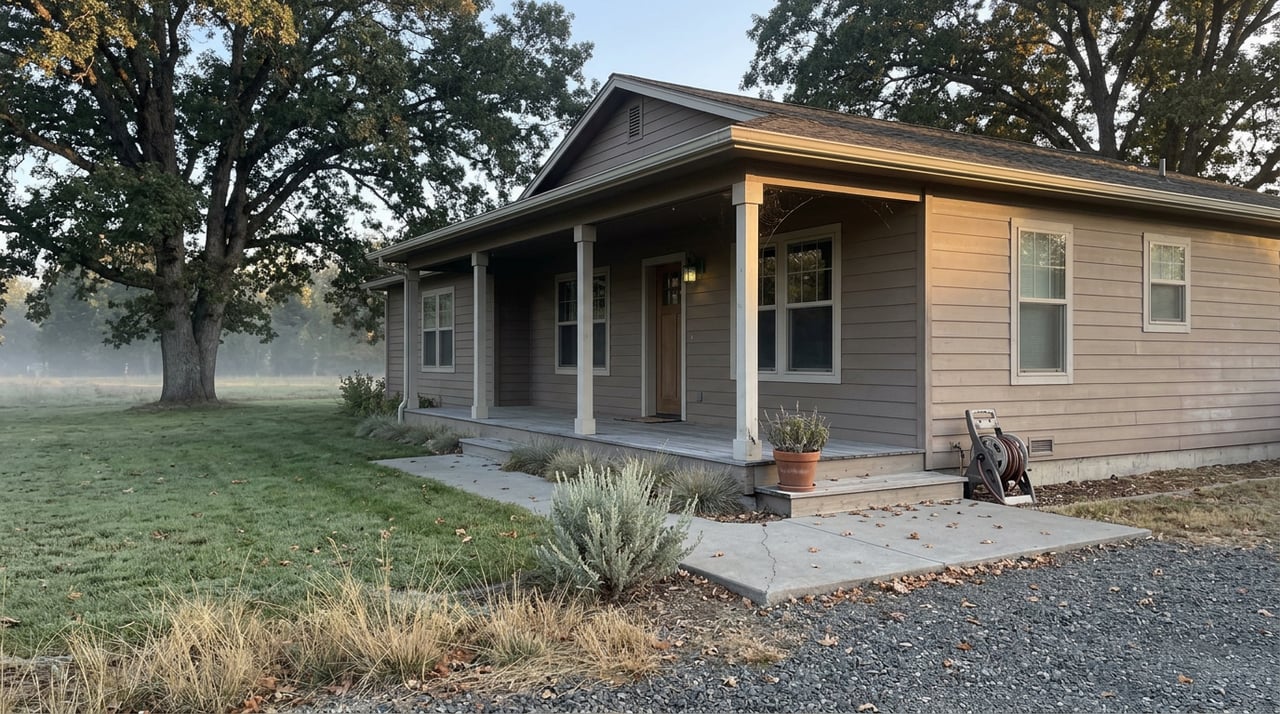
What is your Montague acreage really worth today? If you have land in 96064, you know every parcel is different, from irrigated hay ground to timber and grazing tracts. Pricing it right starts with local details like access, water, utilities, and how buyers actually shop in Siskiyou County. This guide gives you a clear, step-by-step way to build a price range you can trust, with a simple checklist and links to the county and state maps that matter. Let’s dive in.
Start with market definition
Pricing starts by defining your competitive market. Look for parcels with similar use, size, and drive time to Montague or Interstate 5, since road access to I‑5 broadens your buyer pool. In rural Siskiyou County, you may need to pull comps from a wide radius, often 10 to 50 miles, when local sales are sparse. Keep your set consistent by land type, like pasture, irrigated hay ground, timber, or homesites with improvements.
Sort by acreage size bands
Price per acre usually declines as size goes up because buyers expect a bulk discount. Organize comps into size bands before you compare numbers:
- Very small hobby lots: under 5 acres
- Small acreage: 5 to 20 acres
- Medium acreage: 20 to 100 acres
- Large ranch tracts: 100 acres or more
Use comps from the same band first. If you must use a neighboring band, note that your per-acre figure will need a size-based adjustment.
Find and filter comparable sales
Focus on closed sales from the last 12 to 36 months and weight the most recent higher. For each comp, capture details that drive value and marketability:
- Sale price, date, acres, size band, and distance
- Road type and access rights, plus any recorded maintenance agreement
- Utilities and services, such as proximity to PG&E electric, well and septic status
- Water rights or irrigation infrastructure if applicable
- Topography and usable acres, plus any rocky or wet areas
- Improvements like a home, barn, fencing, gates, and driveways
- Environmental limits, like floodplain or fire hazard designation
Vacant land comps can be thin. If you use improved sales, separate and document the building value so your land analysis stays clean.
Set a base per-acre value
Once you have a solid comp set, compute raw per-acre values in your size band. Use a trimmed mean or median to avoid outliers and set a base per-acre figure. This base is a starting point. You will adjust it up or down for the specific features of your parcel.
Adjust for parcel attributes
Small features can move price a lot in 96064. Make clear, reasoned adjustments for the items buyers care about most.
Access and roads
- Paved public frontage typically adds value and improves financing options.
- Unpaved or lightly maintained roads can reduce marketability, especially in wet seasons.
- Confirm recorded access and any private road maintenance agreement to reduce buyer risk.
Utilities and services
- Electric service nearby, plus phone or broadband access, increases usability and demand.
- A permitted septic system or a current perc test broadens your buyer pool.
- Lack of utilities usually narrows financing options and brings discounts.
Water, wells, and irrigation
- A permitted well with a recent pump test and well log adds strong value compared to no well.
- Documented irrigation rights and working infrastructure can be the primary driver for hay and pasture land.
Topography and usable acres
- Gentle slopes and open ground sell better than steep, rocky, or wet terrain.
- If large portions are not usable, calculate and market the “usable acreage” for clarity.
Timber and vegetation
- Standing timber can be a separate value component. Larger tracts may justify a forestry estimate or timber cruise.
- Regulations around timber harvest can affect timing, cost, and buyer interest.
Soils and agricultural capability
- Soils with higher productivity support stronger per-acre values for ag use.
- Map your soils and note irrigability to support your price story.
Environmental and regulatory items
- Floodplain or wetlands can limit use and affect insurance.
- Fire Hazard Severity Zone status influences insurance availability and buyer perception.
- Conservation easements or habitat restrictions should be disclosed and priced in.
Encumbrances and title
- Recorded easements, severed mineral rights, or unresolved boundaries can limit use and reduce price.
- Clean, well-documented title supports stronger offers.
Improvements and potential
- Homes, barns, fencing, gates, corrals, and driveways add tangible value when in serviceable condition.
- Zoning, parcel size, and subdivision potential shape “highest and best use” and pricing.
Financing and marketability
- Parcels that qualify for more common financing attract more buyers.
- Hard-to-finance land, such as no legal access, often sells at a discount.
Account for market conditions
Layer in current market momentum. Check active listings to see your competition and days on market to read demand. If inventory is high and listings sit for a while, price more competitively. If supply is tight, you can price closer to the higher end of recent closed sales.
Finalize price and strategy
Reconcile your adjusted indications into a price range, then choose a list price that is both realistic and market savvy. Round to clean, search-friendly figures to reach more buyers online. Set expectations on timing. Rural acreage often takes months rather than weeks, depending on size, price, access, and utilities.
Seller prep checklist
Use this simple list to move from estimate to ready-to-list:
- Confirm parcel details with the county assessor and recorder.
- Pull your well log, pump test, and septic permits if available.
- Map soils and check floodplain and fire hazard status.
- Document access, including any private road maintenance agreement.
- List improvements, condition, and usable acres with photos.
- Note irrigation rights or timber resources if applicable.
- Review active competing listings and recent comparable sales.
- Set your price range, target list price, and expected marketing time.
Local maps and records to check
Strengthen your pricing and disclosures with official sources:
AVM vs CMA vs appraisal
Choosing the right valuation tool saves time and sets better expectations.
Automated Valuation Models (AVMs)
- Pros: quick and inexpensive for a ballpark figure.
- Cons: struggle with rural parcels because they usually miss wells, easements, water rights, timber, or access details. Treat as a starting point only.
Local Comparative Market Analysis (CMA)
- Pros: uses local knowledge, size bands, and parcel-level adjustments. Includes nearby off-market insights and a pricing strategy for current inventory.
- Cons: not a formal appraisal, relies on comp quality and professional judgment.
Licensed appraisal
- Pros: formal, lender-accepted, with documented methods and the option to add specialized reports like a timber cruise.
- Cons: additional cost and time, not always necessary before listing unless buyer financing requires it.
When to order extra reports
Consider professional help when a single attribute could swing value:
- Significant timber value that needs a timber cruise or forestry estimate.
- Complex water rights or irrigation systems on hay or pasture ground.
- Boundary uncertainty that a survey can resolve before marketing.
- Unique environmental constraints that affect use or insurance.
What moves value in 96064
Montague parcels often hinge on a few local levers. Access to I‑5 can widen your buyer pool compared to more remote tracts. Documented water, well production, and irrigation rights can shift value more than any other feature on ag parcels. Fire hazard and floodplain designations influence insurance options and buyer comfort. Utilities, usable acres, and clean title help your land qualify for more financing, which usually supports higher pricing.
Ready to price your Montague acreage with confidence? If you want a custom CMA that reflects wells, access, irrigation, timber, and current inventory, reach out. You will get clear guidance, professional media, and broad exposure to statewide and national buyers through modern syndication. Connect with Lenita Ramos to get a free home valuation and local market review.
FAQs
How long does rural land in Montague 96064 take to sell?
- Expect months rather than weeks, with timing driven by size, access, utilities, price point, and current inventory.
Do I need a boundary survey before listing my acreage?
- A survey is recommended when boundaries are unclear, since it removes buyer uncertainty and can support stronger offers.
How much do well, septic, and water rights affect price?
- A permitted well, septic, and documented irrigation or water rights materially increase marketability and can move price more than most features.
Can buyers easily finance vacant rural acreage around Montague?
- Many lenders are cautious with land-only purchases, so buyers may need larger down payments, which can reduce the qualified buyer pool.
What disclosures apply when selling land in California?
- California requires seller disclosures, including natural hazard information and county permit histories, so work with your agent on the correct forms.
How far away can comparable sales be for Montague acreage pricing?
- In rural markets, comps may come from 10 to 50 miles or more if local sales are limited, as long as land type and size band are comparable.