
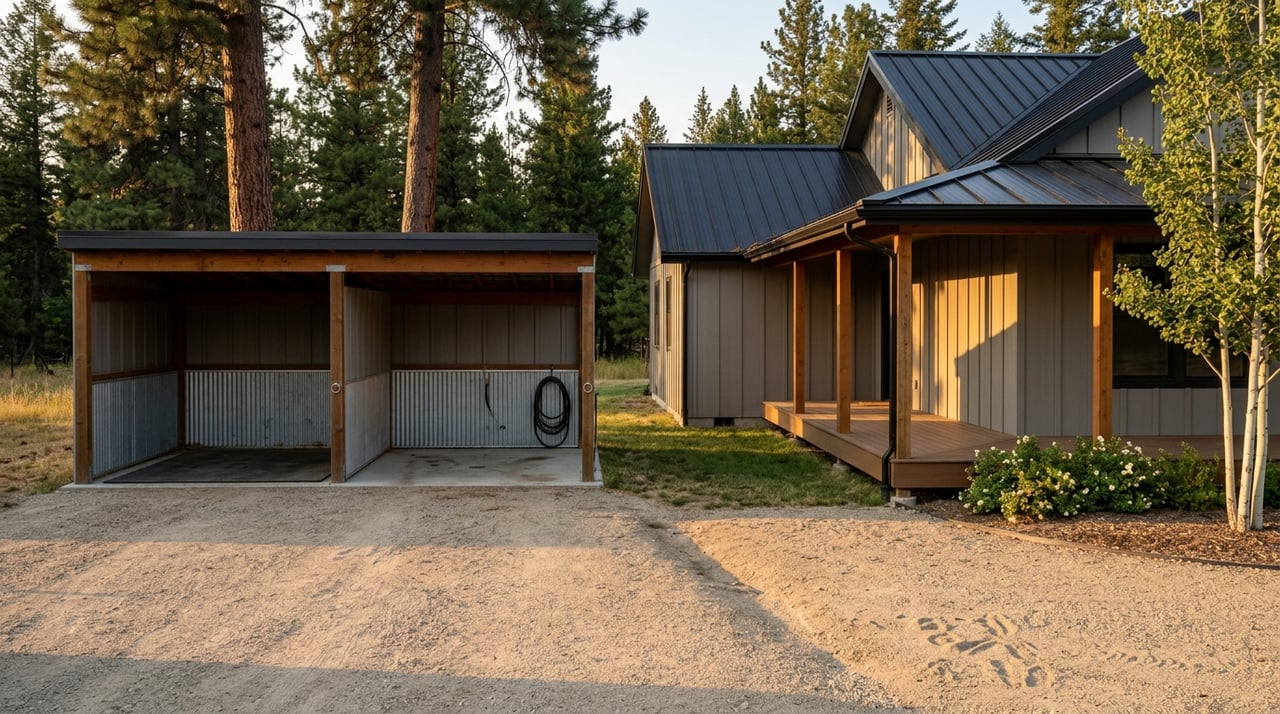
Looking for horse-friendly property near Montague can feel exciting right up until the details start piling up. A parcel may look perfect at first glance, but fencing, water, zoning, drainage, and access can make a big difference in how well it actually works for you and your horses. If you want to buy with fewer surprises, it helps to know what to check before you fall in love with the view. Let’s dive in.
A workable horse property is more than open land. UC Agriculture and Natural Resources guidance treats it like a full system that should include shelter or shade, clean accessible water, a stall or pen, manure storage or composting, forage if available, and a place to store hay.
That checklist matters because a property that is missing one or two core pieces may require more time and money after closing. When you tour properties near Montague, try to look beyond acreage alone and focus on whether the setup supports day-to-day horse care.
Not every usable horse property needs huge pastures, but it does need functional turnout. UC guidance gives a turnout paddock rule of thumb of about 600 to 800 square feet per horse, with less than 5% slope and good drainage.
That means a flatter, drier area can be more useful than a larger parcel with awkward terrain. Cross-fencing can also make the property easier to manage by helping you rotate grazing and separate turnout areas.
Shelter matters in all seasons. You want to see whether the property already has a barn, loafing shed, or another practical form of shade and weather protection.
Hay storage is just as important. Horse management guidance notes that hay is combustible, so it is ideally stored separately from the barn, with only about a week’s supply kept inside the barn itself.
One of the most important steps is confirming which local rules apply to the property. Siskiyou County zoning applies to unincorporated areas, while the City of Montague has its own planning and code enforcement framework.
In simple terms, you should not assume county horse rules apply if the parcel is inside city limits. This is a key due diligence item before you make an offer.
In Siskiyou County’s RES-1 district, horses and similar livestock require an administrative permit. The minimum lot size is five acres, and agricultural structures that house animals must be at least 50 feet from any property line.
In the county’s AG-1 and AG-2 districts, livestock farming and animal husbandry are permitted agricultural uses. That can make a big difference when you compare parcels that look similar online but fall under different zoning.
If you plan to add a barn, shop, shelter, or other structures, check permit requirements early. Siskiyou County’s building division notes that agricultural structures and residential accessory structures can require stamped plans.
Some agricultural buildings on parcels of 40 acres or more may qualify for an exemption, but only in certain cases. The structure must be non-habitable, non-public, properly setback, and covered by a separate exemption permit.
In Siskiyou County, fencing is not just a convenience issue. The county is open range, and the county’s agricultural preserve guide states that owners must fence livestock out.
For horse buyers, that makes perimeter fencing and gates a serious item to inspect. If fencing is missing, damaged, or poorly planned, you may be taking on a larger project than expected.
Horse fencing should be easy for horses to see and free of sharp projections. Extension guidance also says fencing should be built to avoid hoof or head entrapment.
Typical perimeter fences are about 5 feet high, while dividing fences are usually about 4.5 to 5 feet high. It also helps when the fence plan supports smooth movement between the barn, work areas, and feed storage.
Water is one of the most important features on a horse property. A 1,000-pound horse can drink roughly 10 to 12 gallons of water per day, so a dependable water source is essential.
When you evaluate a property, ask practical questions. Is there a well, shared source, storage system, or another setup that supports daily use for both the household and the horses?
In rural Siskiyou County, water and wastewater deserve early attention. The county’s well permit packet requires a plot plan that shows boundaries, waterways, roads, septic systems, and structures.
The county septic permit form also shows separation standards, including 100 feet from wells to leach fields and 50 feet from septic tank to well. If you are considering improvements or new construction, these distances can affect where things can go.
A parcel can look dry and usable on a sunny day but behave very differently after rain or snow. UC guidance recommends walking the property after rain and using a site map to review drainage, wet spots, and runoff paths.
This matters because horse areas need good footing and practical manure management. It also matters for protecting nearby creeks, drainages, and low areas.
Wash water should not flow into creeks, seasonal drainages, or storm drains. UC guidance notes that a filter strip or treatment area may be needed depending on the site.
Manure storage or composting should also be located with runoff in mind. Keeping manure away from creeks and drainage paths can help you avoid future problems with usability and site maintenance.
Rural horse properties near Montague can come with extra space and flexibility, but they also need a realistic preparedness plan. UC ANR notes that wildfire, drought, floods, high winds, and snow can affect small-acreage landowners.
Older wooden agricultural buildings may be more vulnerable to wildfire. Defensible space and structure hardening are important features to evaluate when you tour rural property.
As you walk a property, consider how it would work during a high-stress event. Are driveways and gates wide enough for trailers, service vehicles, and daily access?
It also helps to think about how animals would be moved, where water is located, and whether the layout supports quick turnout or evacuation needs. These are practical questions that can shape your long-term comfort with the property.
A nearby trail or forest boundary may sound ideal, but legal riding access should always be verified. You should confirm that access from the parcel is legal and that any trail you plan to use is actually open to horses.
In the broader Siskiyou County area, there are horse riding and camping opportunities on national forest lands. For example, Martin’s Dairy Horse Camp in Klamath National Forest has corrals but no potable water, and many regional trails are multi-use and open to non-motorized uses, though riders should still confirm horse access before going.
It is easy to focus on raw acreage, views, or a pretty barn. In practice, the better horse property is often the one that matches your management plan, budget, and daily routine.
For some buyers, that means enough room for a few horses, clean water, and a safe turnout area. For others, it means zoning that supports future improvements, workable drainage, and a layout that makes feeding, storage, and fencing simpler.
If you are shopping near Montague, a careful review of legal horse use, fencing, water, drainage, and storage can save you time and money later. If you want local guidance as you compare rural properties in Siskiyou County, Lenita Ramos can help you look at the details that matter.
Stay up to date on the latest real estate trends.


Whether you're looking to buy, sell, or invest, We're ready to help you achieve your real estate goals with expertise, dedication, and care. Contact us and make your dreams a reality.
Lenita Ramos | CA DRE# 02133572