
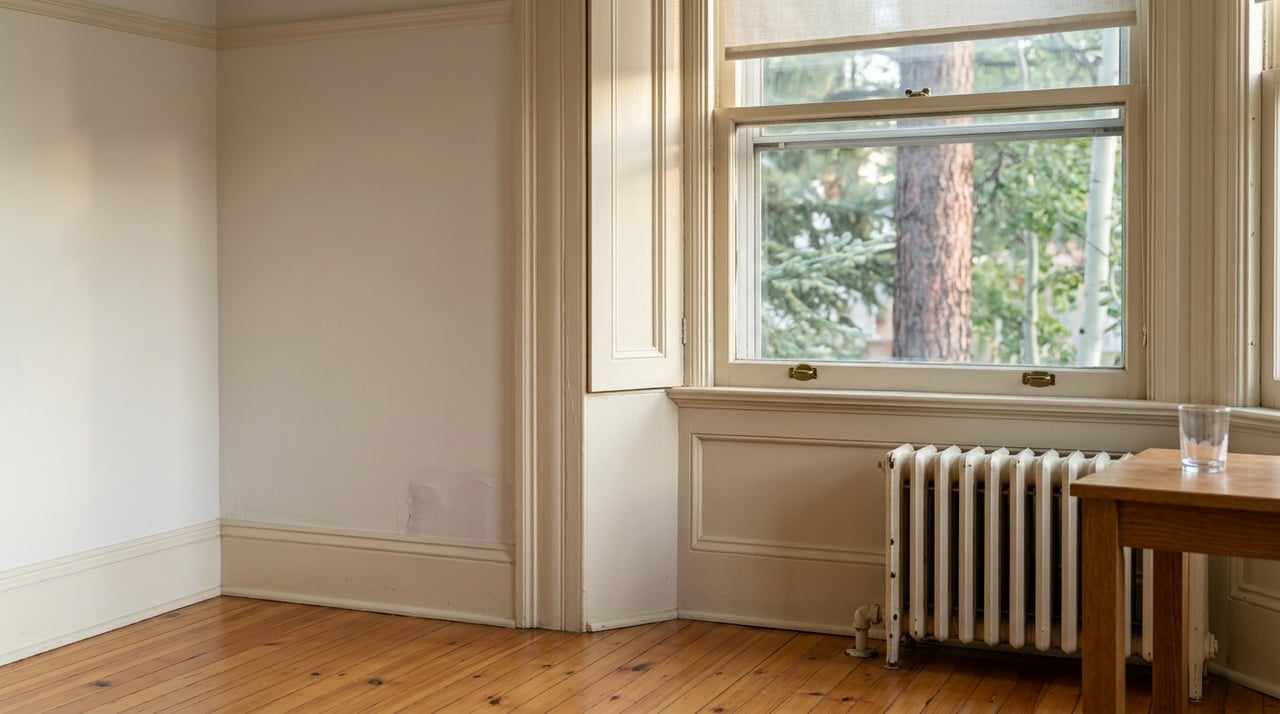
Thinking about buying a historic home in McCloud? It is easy to fall for the charm first and ask questions later, especially in a town where modest old houses and a strong sense of place do so much of the talking. If you want character without surprises taking over your budget, it helps to understand what makes these homes special, what renovation issues tend to come up, and how those choices can affect long-term value. Let’s dive in.
McCloud’s historic district is a roughly 13-acre National Register district centered on Main Street. It is tied to the town’s railroad and lumber-company past and includes commercial, civic, community, and residential properties, with 17 contributing buildings noted in the district nomination.
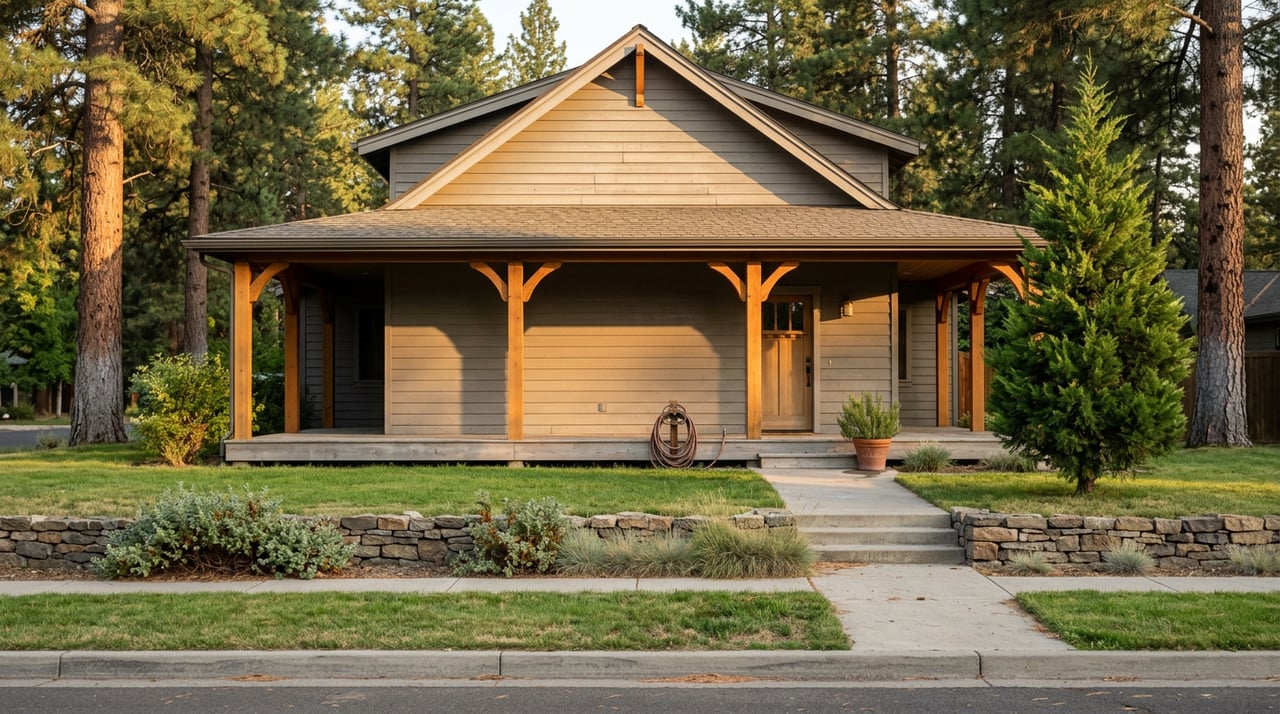
For you as a buyer, the appeal is often less about ornate design and more about authentic character. Many of McCloud’s older homes are modest in scale, weatherboard-clad, and lightly detailed, with practical features shaped by the local climate.
Historic McCloud homes commonly date from the 1890s through the 1930s. Features noted in the district record include steep roofs, multi-paned windows, covered porches, and in some cases rustic log-sided elements.
These details matter because historic value is often tied to a home’s form, materials, craftsmanship, and setting. In other words, what makes a McCloud home feel special may be the very elements you want to protect when planning updates.
Older homes can be rewarding, but they usually need a more careful eye. In McCloud, the biggest early priority is often understanding how the house handles moisture, snow, and weather exposure over time.
The National Park Service identifies uncontrolled moisture as one of the most common causes of deterioration in older buildings. That can lead to rot, corrosion, and even structural damage if it goes unchecked.
Because McCloud’s historic building forms were shaped in part by heavy snowfall, the roof deserves close attention. You will want to look at the condition of roofing materials, flashing, gutters, and downspouts, along with how water moves away from the house.
Foundation drainage also matters. A home may look fine at first glance, but poor site drainage or crawlspace moisture can create long-term repair needs that are not obvious during a casual tour.
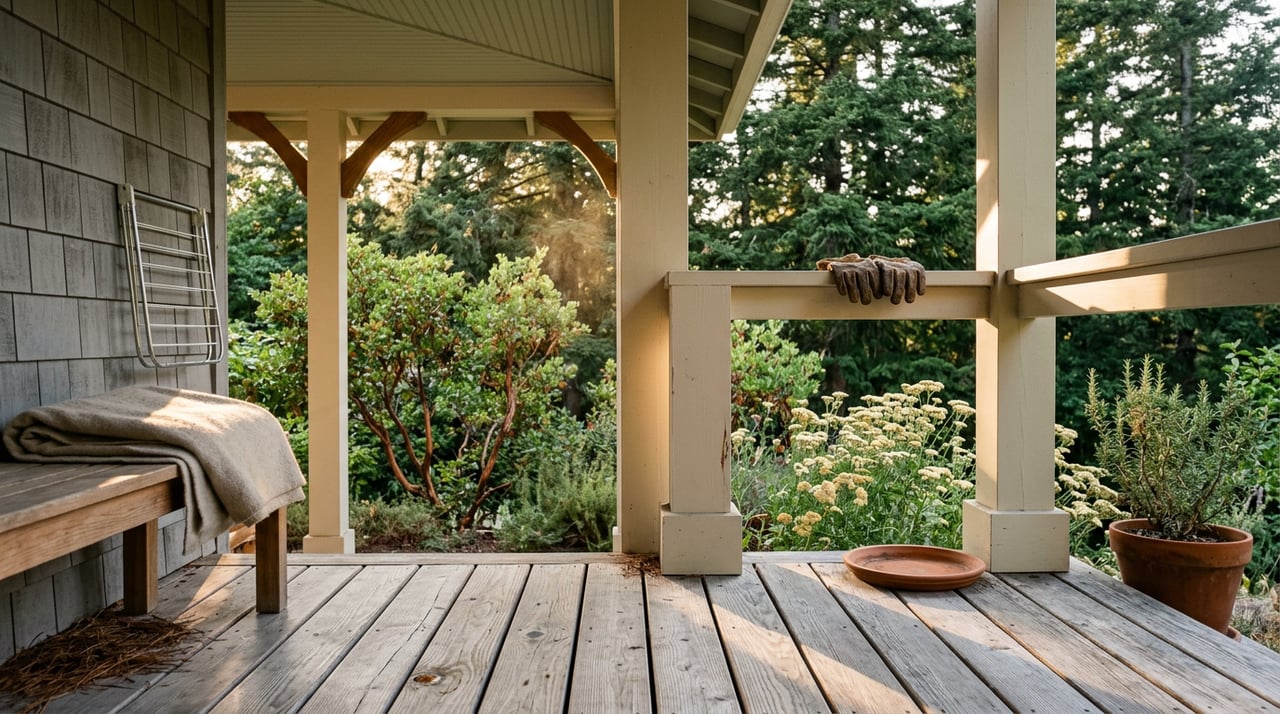
Covered porches are part of the visual character of many historic homes in McCloud. They also take weather wear, so it is smart to inspect porch structure, exposed wood, steps, railings, and connections where water may collect.
Exterior paint and siding can also tell you a lot. Peeling paint, soft trim, damaged boards, or signs of repeated patchwork may point to deeper moisture issues that need diagnosis before you make renovation plans.
Windows are one of the most visible features in a historic home. Older wood windows often can be repaired and maintained for long service, and replacement is not always the most cost-effective choice.
If a window truly needs replacement, matching the original size, pane pattern, design, and visual appearance helps preserve the home’s historic feel. For many buyers, this is an important part of protecting both charm and resale appeal.
Buying a historic home often means shifting your mindset. Instead of treating the property like a quick cosmetic remodel, it is usually better to approach it as a discovery project with phased decisions and room for expert input.
That matters because older homes can reveal hidden conditions after work begins. Moisture correction, code updates, material repair, and careful replacement choices can all affect your final budget.
Historic-home guidance generally favors repair when possible. If original materials or features can be preserved, that often supports the home’s character better than a full tear-out.
When replacement is necessary, compatible materials and designs are usually the safer path. The goal is not to freeze a house in time, but to update it without stripping away the features that define it.
Energy updates can be helpful, but older walls should not be treated casually. Guidance for historic buildings recommends evaluating attic and basement insulation before moving straight to wall insulation, since wall changes can create moisture and material risks if the building is not well understood.
For you, that means slower planning can actually save money. A rushed efficiency project can create new problems if the house’s original materials and ventilation patterns are ignored.
If the home was built before 1978, lead-based paint is more likely to be present. Renovation, repair, or painting that disturbs lead paint can create hazardous dust, which is why lead-safe certified contractors are recommended for that kind of work.
Older homes may also contain asbestos-containing materials. If a material is suspected, it should be sampled by a properly trained and accredited asbestos professional before it is disturbed.
A National Register listing does not automatically place federal restrictions on what a private owner can do to a property. That said, local rules, permit requirements, and building-code pathways still matter, especially for larger rehab plans.
In California, the Historical Building Code can provide an alternative code path for qualified historical buildings and properties. It is designed to support preservation, rehabilitation, restoration, relocation, and reconstruction while still addressing reasonable safety and accessibility.
In Siskiyou County, permit applications may be routed through multiple departments depending on the project. Planning reviews issues like setbacks and allowed use, environmental health reviews well and waste-disposal issues, public works handles encroachment, Cal Fire reviews projects in state responsibility areas for fire-safe compliance, and flood review checks whether the site is in a mapped flood hazard area.
The county also notes that grading must be shown on the plot plan, and pre-grading before plan approval is not allowed. If you are buying a property with expansion or site-work plans in mind, this is important to know early.
For larger rehabilitation projects, preservation guidance recommends involving qualified professionals at the planning stage. That can include architects or other specialists who can help identify character-defining features and sort out what should be preserved, repaired, or replaced.
This early planning step can help you avoid expensive missteps. It can also make your project smoother if you are balancing modern updates with the home’s original look and structure.
Historic homes usually reward buyers who budget conservatively. Even if the house appears well kept, you should still plan for hidden repairs, diagnostic work, code-related improvements, and a contingency for issues uncovered after purchase.
A realistic budget may include:
Moisture issues in particular should be diagnosed carefully rather than patched quickly. A fast fix can sometimes hide the source of the problem and lead to more damage later.
That is why contingency money matters so much with older homes. If you build flexibility into your plan, you are less likely to feel pushed into poor repair decisions after closing.
Many buyers wonder whether a historic home holds value better over time. The broad answer is that preservation and character can support value, but appreciation is not automatic and still depends on the market.
Research on historic districts shows mixed results, though many studies find some level of value premium. A safe takeaway is that well-preserved historic areas often benefit from their distinct identity, but each property still needs to be evaluated on condition, location, updates, and buyer demand.
If you are counting on tax savings, be careful not to assume too much. In California, Mills Act contracts are agreements between a property owner and local government, and the benefit is not automatic.
A buyer should confirm whether the local jurisdiction participates and whether the specific property is actually under contract. It is also important to know that the federal 20% historic rehabilitation tax credit generally applies to income-producing buildings, not owner-occupied residences.
Some of the best historic-home purchases in McCloud are the ones where the original character is still visible, the moisture and roof systems have been maintained, and the buyer has a practical update plan. You do not need a perfect house. You need a house with a solid path forward.
If you are looking at an older McCloud property, it helps to think in layers. First confirm condition, then understand permit and code needs, then decide which updates improve livability without overwhelming the home’s original feel.
That kind of approach can protect both your budget and your enjoyment of the property. If you want local guidance as you compare older homes in Siskiyou County, Lenita Ramos can help you evaluate options with a practical eye and a strong understanding of small-town market conditions.
Stay up to date on the latest real estate trends.

Whether you're looking to buy, sell, or invest, We're ready to help you achieve your real estate goals with expertise, dedication, and care. Contact us and make your dreams a reality.
Lenita Ramos | CA DRE# 02133572